


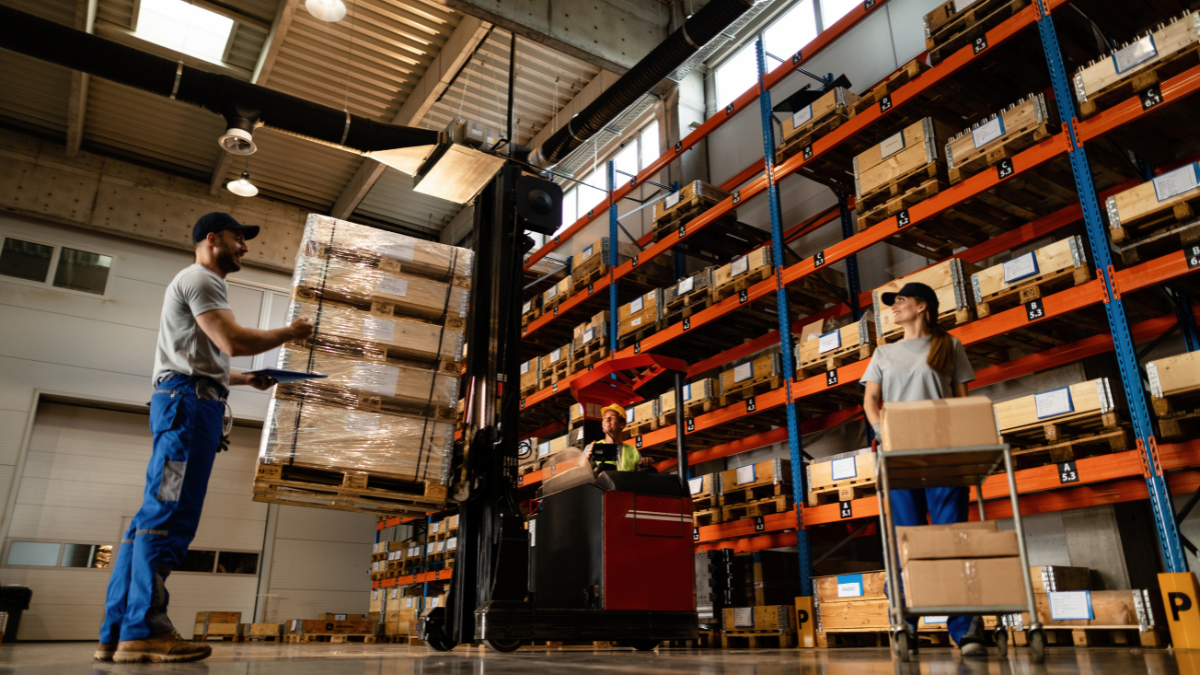
3PL warehousing gives a growing IT company storage space, inventory management, and order fulfillment without the cost of running a warehouse in-house. A third-party logistics (3PL) provider stores branded merchandise, picks and packs orders, and ships to staff, clients, or event locations across Asia Pacific, Japan, China, and India (APJC).
For a marketing or HR team managing growth across several countries, 3PL warehousing removes a layer of physical logistics work from an already full workload.
Growing IT companies weighing up a storage model often start with what 3PL warehousing involves for a marketing or HR team before comparing options. From there, it helps to look at how 3PL warehousing compares with traditional storage, especially for a company still storing stock in an office or storeroom. Companies expanding into new countries also benefit from understanding how branded merchandise ships across the APJC region, since regional coverage is one of the biggest advantages covered below.
1. How Does 3PL Warehousing Lower Storage Costs?
3PL warehousing lowers storage costs by charging only for the pallet space, shelf space, or units a company uses each month. A growing IT company avoids the cost of leasing a warehouse, hiring warehouse staff, and buying racking, forklifts, or packing equipment. The 3PL provider spreads facility and equipment costs across many clients, which keeps rates lower than an in-house setup.
A company holding onboarding kits, event merchandise, and seasonal gifts across several APJC markets can end up paying for warehouse space it only uses part of the year. A 3PL model matches cost to actual stock levels and order volume, so a marketing or HR team pays for space during a busy quarter and less during a quiet one.
2. How Does 3PL Warehousing Free Up Office Space?
3PL warehousing frees up office space by moving stock, packing materials, and shipping supplies out of a company's own building and into a dedicated facility. A growing IT company reclaims storage rooms, cupboards, and desk space that once held branded merchandise or onboarding kits. Staff work in a cleaner office without stacked boxes near reception or in a spare meeting room.
Office space in most APJC cities costs more per square meter than warehouse space. A company that stops using office square footage for storage can put that space toward desks, meeting rooms, or a break-out area instead.
3. How Does 3PL Warehousing Speed Up Order Turnaround?
3PL warehousing speeds up order turnaround because trained pickers and packers process orders on set schedules, often same day or next day. A marketing or HR team submits an order through a portal or corporate store, and the 3PL warehouse picks, packs, and ships without waiting on internal staff to find time between other tasks.
A new starter due to begin on Monday can receive an onboarding kit by courier before their first day, because the warehouse processes the order as soon as it lands, not when someone in the office gets a free hour.

4. How Does 3PL Warehousing Support Shipping Across APJC?
3PL warehousing supports shipping across APJC by placing stock in a facility close to major delivery routes and by working with couriers that cover multiple countries. A single order can reach staff in Australia, Singapore, Japan, or India from one warehouse, without a marketing or HR team booking separate couriers for each country.
A company opening a new office in a second or third APJC country does not need to set up a new storage arrangement in that country. The existing 3PL warehouse ships to the new location, which shortens the setup time for a regional rollout.
5. How Does 3PL Warehousing Scale With Company Growth?
3PL warehousing scales with company growth because a business adds pallet space, order volume, or delivery destinations without signing a new lease or hiring extra warehouse staff. A growing IT company that doubles its headcount or opens a new market can increase order volume with the 3PL provider instead of building a second in-house warehouse.
A company running a small onboarding program for 20 new starters a year can grow to 200 new starters without changing its storage model. The 3PL provider adjusts capacity on the company's behalf.
6. How Does 3PL Warehousing Reduce Inventory Errors?
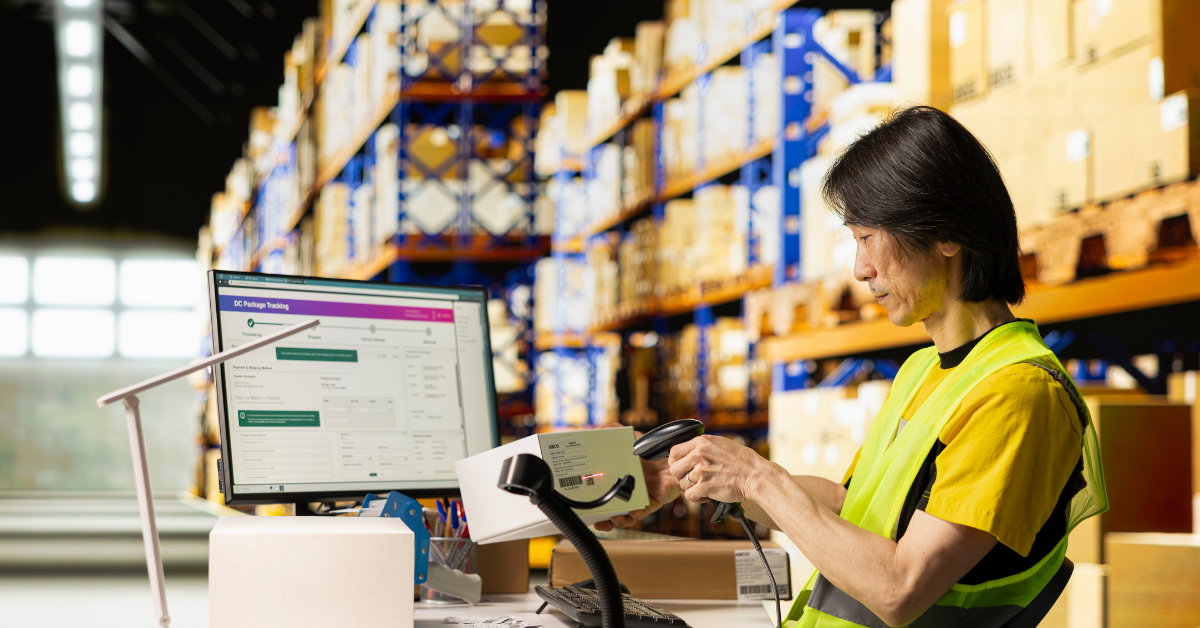
3PL warehousing reduces inventory errors through barcode scanning, stock counts, and order-management software that tracks each item from delivery to dispatch. A marketing or HR team gets an accurate, real-time count of stock on hand instead of relying on a spreadsheet someone updates by hand.
A company running a corporate store alongside 3PL warehousing can see stock levels drop and reorder before an item runs out mid-campaign. Manual stock takes in an office storeroom rarely catch a shortage until an order fails.
7. How Does 3PL Warehousing Free Up Time for Strategic Work?
3PL warehousing frees up time for strategic work by removing packing, labelling, and courier bookings from a marketing or HR team's task list. A team that once spent hours each week on order fulfillment can redirect that time to campaign planning, employee experience projects, or vendor management.
A marketing manager running a trade show program across several APJC countries no longer needs to pack boxes the night before a flight. The 3PL warehouse handles fulfillment while the manager focuses on the event itself.
In-House Storage vs 3PL Warehousing: A Quick Comparison
In-house storage costs more per unit as a company grows, while 3PL warehousing scales cost with order volume. The table below sets out the main differences a marketing or HR manager should weigh up before choosing a storage model.
|
Feature |
In-House Storage |
3PL Warehousing |
|
Setup cost |
High: lease, racking, equipment |
Low: pay for space used |
|
Staffing |
Requires dedicated warehouse staff |
Handled by the 3PL team |
|
Regional coverage |
Limited to one location |
Multiple APJC locations available |
|
Scaling |
Requires a new lease or space |
Scales with order volume |
|
Inventory tracking |
Manual or spreadsheet-based |
Barcode scanning and live reporting |
|
Order turnaround |
Depends on staff availability |
Set processing schedules |
Example: A Growing IT Company Scaling Across APJC
An IT company with 80 staff in Sydney opens a new office in Singapore and plans a further office in Bangalore within a year. The marketing team stores onboarding kits, conference merchandise, and client gifts in a spare meeting room, and packing takes up two afternoons a month.
The company moves its stock into a 3PL warehouse based in Australia with delivery routes into Singapore and India. The marketing team submits orders through a corporate store, and the warehouse picks, packs, and ships within 24 hours. Meeting room space returns to regular use, and the marketing team drops packing from its monthly task list.
Frequently Asked Questions
What is 3PL warehousing?
3PL warehousing is a service where a third-party company stores, picks, packs, and ships a business's products or merchandise on its behalf, instead of the business running its own warehouse.
How much does 3PL warehousing cost for a small or growing company?
Cost depends on pallet space used, order volume, and shipping destinations. Most 3PL providers charge based on actual usage each month, so cost rises and falls with stock levels and order numbers rather than a fixed lease payment.
Can 3PL warehousing cover multiple APJC countries from one provider?
Yes. A 3PL provider with warehouses or courier partnerships across the region can ship to Australia, New Zealand, Singapore, Japan, India, and China from a single order, without a company managing separate local warehouses in each country.
Does 3PL warehousing work with a corporate store?
Yes. A corporate store handles ordering and approvals online, and the 3PL warehouse handles storage, picking, and shipping behind the scenes, so orders placed on the store reach staff without manual handling.
How long does it take to set up 3PL warehousing?
Setup time varies by provider and stock volume, though most companies move from enquiry to a working 3PL arrangement within a few weeks, including stock transfer and system integration with a corporate store or ordering portal.
Ready to Move to 3PL Warehousing?
A growing IT company gains more than storage space when it moves to 3PL warehousing. Lower costs, faster order turnaround, and room to scale across new APJC markets all come from handing storage and fulfilment to a dedicated provider, while the marketing or HR team keeps its focus on strategy rather than boxes and couriers.
OTT Promotions runs 3PL warehousing for branded merchandise programs across Australia, New Zealand, and Singapore, with B Corp certification and a track record supporting IT companies as they scale across the region. Our team reviews your current stock, storage costs, and order volume, then sets out a warehousing plan built around your growth timeline.
Book a call with the OTT Promotions team to see how a 3PL model fits your growth plans.

Recent Posts
Comments