


Branded merchandise often starts simple. A few polos. Some event giveaways. A welcome pack for new hires.
Then the business grows. More offices open. More campaigns launch. More teams start ordering. Suddenly, what felt manageable becomes messy.
A corporate store, sometimes called an online company store, brings structure back into the process. It centralises products, approvals, stock, and reporting into one controlled system.
Here are seven strong signs it is time to make the shift.
1. Your Teams Order Merchandise Independently
When departments source their own suppliers, you lose leverage and consistency.
You may see:
- Different price points for the same item
- Slight logo variations
- Mixed product quality
A corporate store consolidates buying power. Instead of five teams negotiating separately, you centralise volume. This often improves pricing, strengthens supplier relationships, and lifts overall product quality.
Having a corporate store turns fragmented purchasing into strategic procurement.

2. Marketing Spends Too Much Time on Admin
Marketing teams should focus on campaigns and brand growth, not chasing invoices.
If your team regularly:
- Approves artwork repeatedly
- Tracks down order confirmations
- Answers the same product questions
- Processes manual purchase orders
You are spending skilled time on low-value tasks.
An online company store removes repetitive steps. Artwork is pre-approved. Products are pre-loaded. Pricing is locked in. Staff self-serve within controlled boundaries.

3. You Lack Clear Governance Over Merchandise
Many businesses do not have a clear merchandise policy. Anyone can order anything, as long as the budget allows it.
That often leads to:
- One-off novelty items that do not align with brand values
- Low-quality products that reflect poorly on the company
- Unsustainable purchasing choices
A corporate store introduces governance without being restrictive. You curate the range intentionally. You align products with brand positioning and sustainability goals. You remove items that no longer reflect who you are.
It becomes a brand filter, not just an ordering portal.

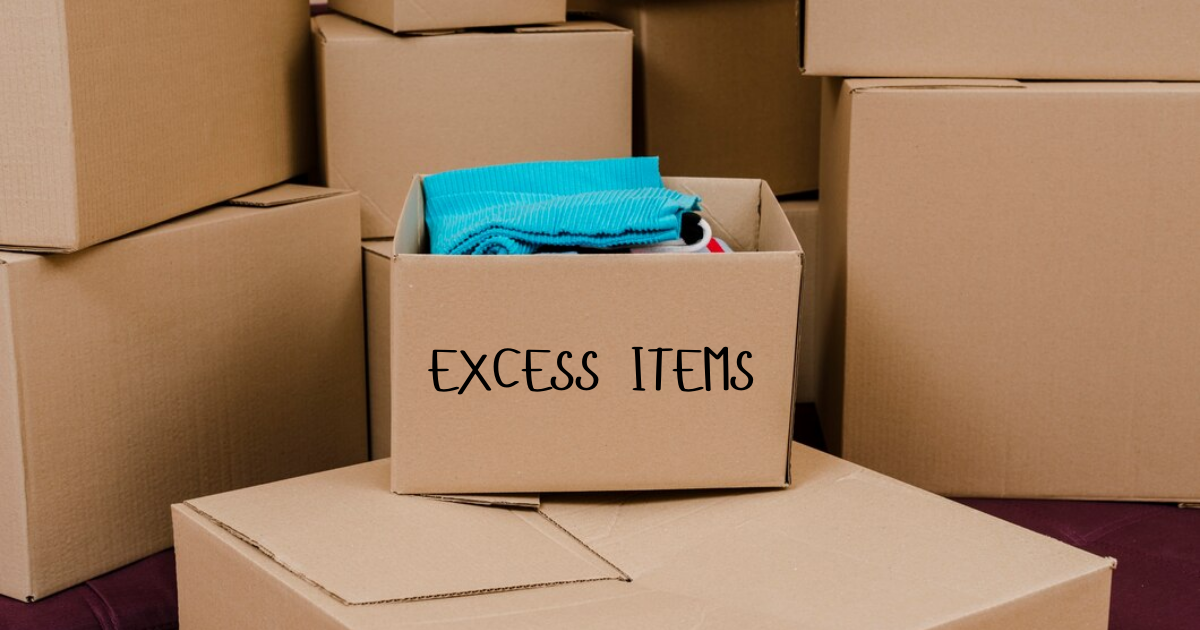
4. Inventory Waste is Increasing
Unused merchandise is more than a storage problem. It is wasted budget and environmental impact.
Without central tracking, organisations often:
- Over-order “just in case”
- Reprint items that already exist in another office
- Store outdated materials
A corporate store connects ordering to real inventory data.You produce based on usage trends, not assumptions. You can review slow-moving stock and make smarter decisions about discontinuing or redesigning products.
This is where cost control and sustainability meet.
5. Onboarding Experiences Vary Across Locations
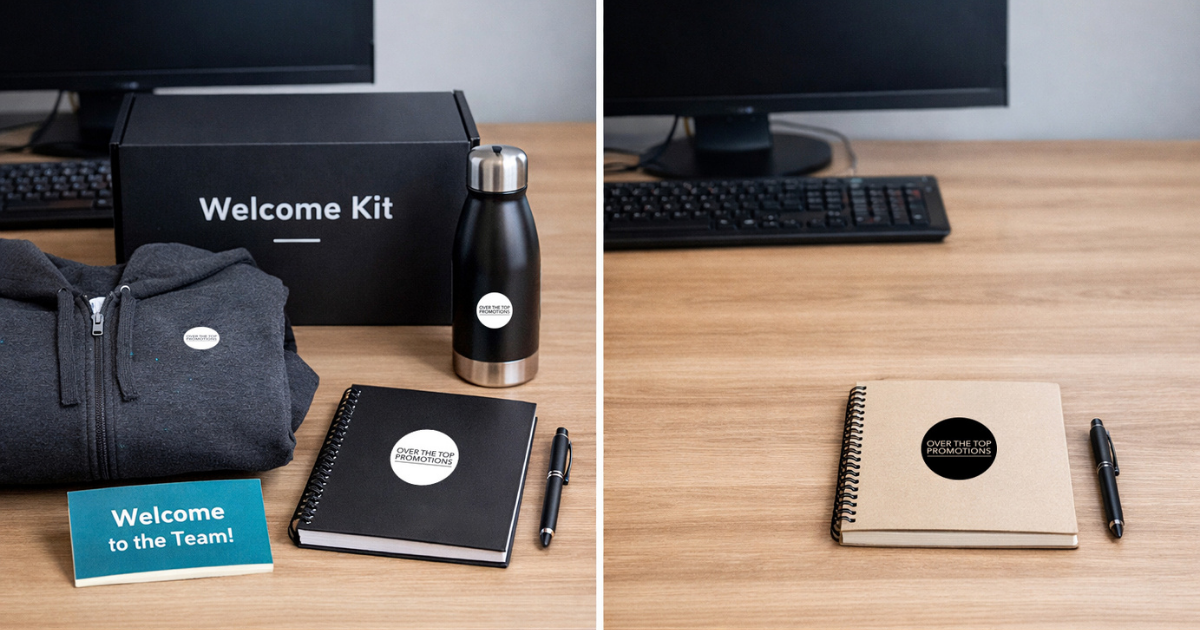
A new employee’s first impression matters. If one office delivers a polished welcome kit and another hands out a single notebook, you create inconsistency.
A corporate store allows you to standardise onboarding kits while still allowing local flexibility where needed. You define what is core and what is optional.
The result is a consistent brand experience from day one, no matter where the employee sits.
6. You Are Expanding Across Regions
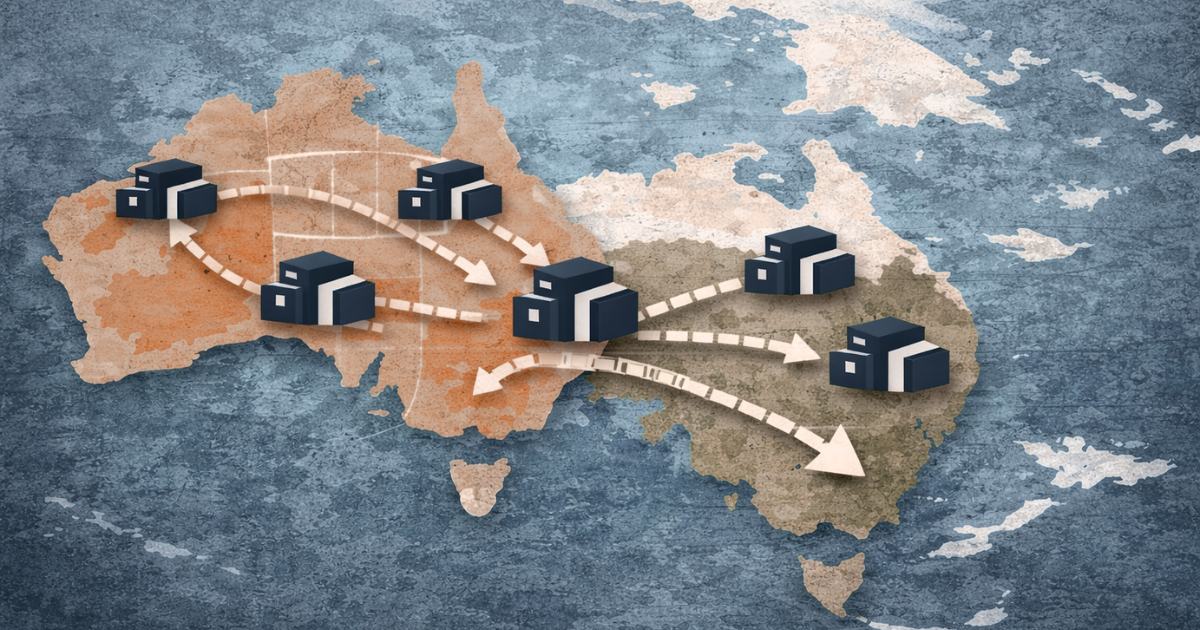
Growth across Australia or the APJC region introduces complexity in shipping, tax, and local regulations.
A well-built online company store can:
- Offer region-specific product selections
- Route orders to the nearest warehouse
- Apply local pricing and tax rules
This reduces freight costs and simplifies compliance.
With a corporate store, growth feels supported instead of chaotic.
7. Leadership Wants Clear Visibility and Accountability
Senior leaders expect clear reporting on operational spend, brand consistency, and sustainability performance.
A corporate store provides:
- Spend by department
- Order frequency
- Product performance
- Inventory turnover
This level of visibility makes leadership conversations easier. You can clearly show where the budget is going, which products are worth keeping, and where changes should be made.
It also improves accountability. Each department can see what they are spending. Procurement has one clear set of data. Marketing can make merchandise choices that align with brand and sustainability goals.
Without a central system, reporting usually involves multiple spreadsheets and manual tracking. With a corporate store, everything sits in one place, giving you clear information to make better decisions.

The Bigger Shift
A corporate store does more than tidy up operations. It shifts your merchandise from reactive ordering to proactive planning.
It allows you to treat branded merchandise as a strategic asset, not an afterthought.
If your current system feels fragmented, time-consuming, or inconsistent, that is your signal. Structure creates clarity. Clarity drives performance.
Ready to Simplify Your Merchandise?
If your current process feels messy or time-consuming, it might be time to explore a corporate store. The right setup can give you better control, clearer reporting, and a smoother experience for your whole team.
Visit our Corporate Stores page to see how it works.
Or book a call with us to talk through your goals. We are here to help you build a system that supports your brand and your growth.
.jpg)

.jpg)
Recent Posts



Comments