Many marketing and HR teams reach the same point once branded merch and kit stock outgrows a store cupboard. They need to pick between renting more in-house space or handing storage over to a 3PL partner. Both options work, but they carry real differences in cost, space, staff, and speed.
Teams usually face this decision at a clear point. A storage cupboard fills up. An event needs stock shipped to more than one city. A growing headcount makes manual packing hard to sustain, and these growing pains often line up with broader signs a branded merchandise program isn't scaling across regions, like inconsistent stock levels between offices or slower turnaround during peak periods.
Here is a breakdown of those four differences, so you can see which setup suits your team.
Cost: What Each Option Really Costs
Traditional storage means paying rent, insurance, utilities, and equipment costs for a space. You pay the same amount each month, no matter how much stock sits inside it.
3PL warehousing runs on a different pricing model. You pay for the space your stock takes up and the services you use, such as picking, packing, and shipping.
Traditional storage costs:
- You pay a fixed monthly rent, no matter how much stock you store.
- You cover insurance for the unit and its contents.
- You cover security measures to prevent theft.
- You absorb the cost of occasional damaged or lost stock.
3PL storage costs:
- You pay for the space your stock takes up.
- You pay for the services you use, such as picking and packing.
- Your costs scale up or down with demand.
- Insurance and security sit inside the standard service.
Example: A marketing team holds 300 branded polos and 400 notebooks for an upcoming campaign. With traditional storage, they pay a fixed monthly fee for the unit, no matter when the campaign runs. With a 3PL partner, they pay mainly for the space that stock takes up and the orders that go out, so a delayed campaign does not add extra fixed cost month after month.
For a small or mid-size marketing or HR team, this difference matters a lot. A 3PL setup lets your storage costs match your actual stock levels, instead of a fixed rent bill that stays the same during quiet months. Ordering methods raise a similar cost question, and comparing corporate store ordering versus individual orders usually turns up matching savings patterns.
Space: Who Owns and Manages the Warehouse?
With traditional storage, your company signs the lease, owns the shelving, and manages the physical space. That gives you full control over layout and access. It also means you carry the responsibility for maintenance, security, and compliance.
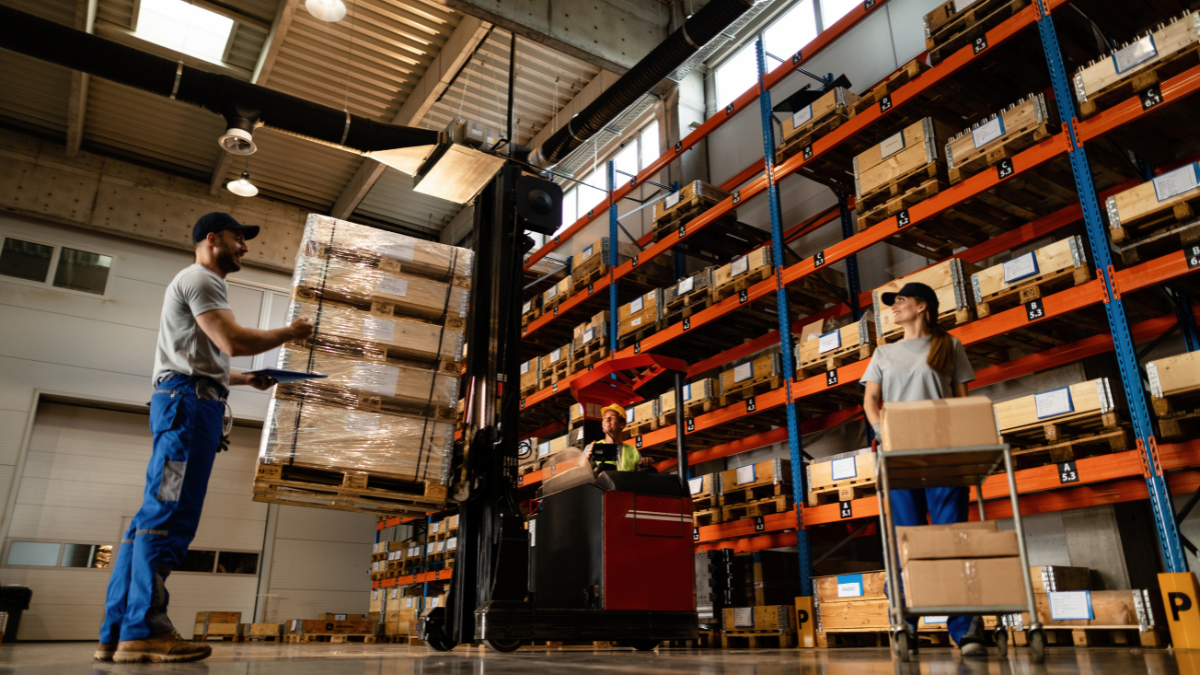
A 3PL warehouse belongs to the provider. Your stock sits inside a shared or dedicated section of their facility. The provider manages the building, the equipment, and the safety standards.
Traditional storage means:
- Your company signs the lease and owns the shelving.
- Your company manages maintenance and security.
- A fixed unit size limits you, so growth means a new lease.
- Compliance rules sit entirely on your team.
3PL storage means:
- The provider owns and runs the facility.
- The provider manages safety and compliance standards.
- Your space can expand with a simple conversation.
- You do not need a new lease as stock grows.
Example: A marketing team plans a bigger campaign next quarter and needs double the storage space. With a traditional storage unit, that usually means finding a new unit or a new lease. With a 3PL partner, the team can usually ask for more space inside the same facility, since the provider already manages a larger building that can flex around changing stock levels. Teams with staff spread across multiple offices face a related space challenge, and corporate stores serving hybrid and remote workforces solve it by centralizing branded stock in one place.
Staff: Who Handles Picking and Packing?
Traditional storage relies on your own staff, or staff you hire directly, to receive stock, pick orders, and pack boxes. During busy periods, this can pull marketing or HR team members off their core work.
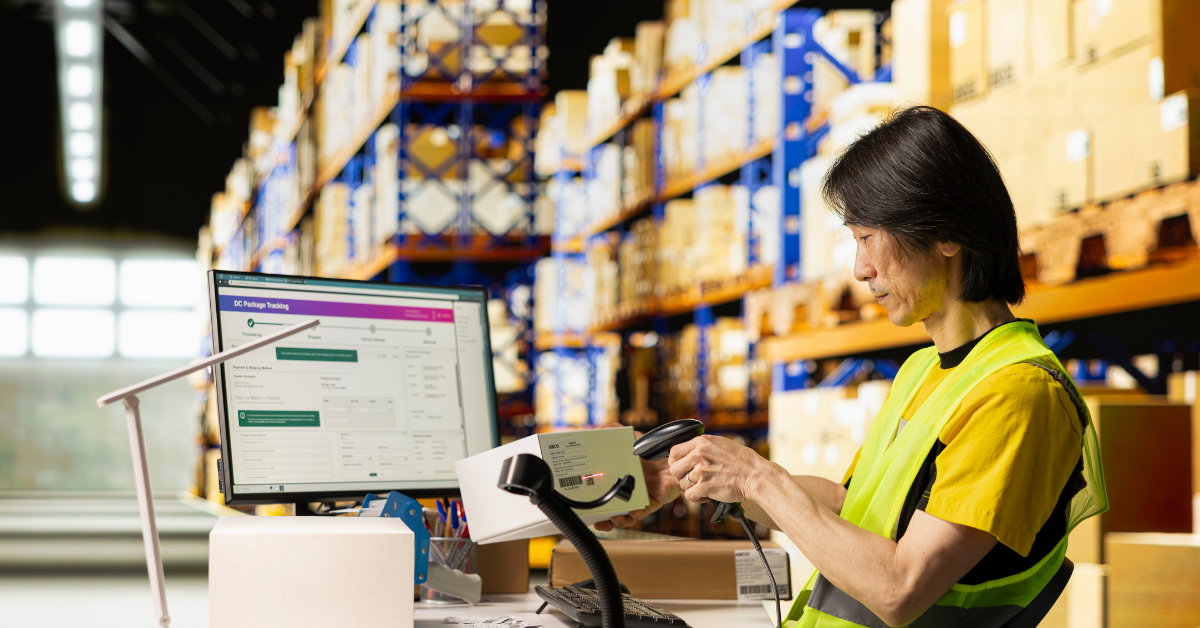
A 3PL warehouse comes with its own trained staff. Picking, packing, and shipping become part of the service, so your team places an order and the provider's staff complete the rest.
With traditional storage, your team:
- Handles receiving, picking, and packing.
- Loses time to shipping tasks during busy periods.
- Needs to hire and train more staff as order volume grows.
With a 3PL partner, your team:
- Places the order and steps back.
- Stays focused on campaigns, hiring, and other priorities.
- Skips the hiring and training cycle as volume changes.
Example: An order comes in for 50 welcome kits ahead of a big onboarding week. With traditional storage, existing staff need to stop their usual work to pick, pack, and ship those kits, which can slow down other projects. With a 3PL partner, the warehouse staff handle the order as part of their normal day, so the marketing or HR team stays focused on the onboarding program instead of the boxes. A corporate store adds another layer here, since seamless kitting and fulfillment through a corporate store removes even more manual packing work off your team's plate.
Speed: How Fast Can Each Option Ship Orders?
Traditional storage often depends on a small team juggling shipping alongside other tasks. Orders can wait until someone finds time to pack and book a courier, which can add days to a delivery.
A 3PL warehouse runs shipping as its core job. Most providers use systems built to process orders quickly, so orders placed in the morning can often leave the warehouse the same day.
Speed matters most for time-sensitive orders such as:
- New-starter kits tied to a start date.
- Event stock with a fixed delivery date.
- Client gifts tied to a campaign launch.
Example: A client gift needs to reach an office in Tokyo within two days of an order going in. A small in-house team juggling other tasks might struggle to hit that window. A 3PL provider built around regular shipping volume can usually treat that request as routine, since fast dispatch is part of the standard service rather than an exception. Teams shipping across borders face extra layers, and shipping branded merchandise across the APJC region covers customs, carriers, and delivery windows in more detail.
Which Option Should Your Team Choose?
The right setup depends on how much stock your team holds and how often that stock needs to move. Ask your team these questions:
- Does your stock volume change through the year, or does it stay fairly steady?
- Do you need to ship orders across more than one country?
- Does your team have spare time to pick, pack, and ship orders during busy periods?
- Would extra storage space next quarter cause a problem with your current setup?
If you answered yes to more than one question, a 3PL partner likely saves your team more time and money than a traditional storage unit. If you answered no to most of these questions, traditional storage might still suit your team for now.
Many companies start with a storage cupboard or a small unit. They move to a 3PL partner once order volume or shipping complexity grows. Once you land on a 3PL partner, the next step is picking the right one, and choosing a corporate store provider in APJC walks through the criteria that matter most.
Quick Answers About 3PL vs Traditional Storage
Is 3PL warehousing cheaper than renting a storage unit? Often yes, especially for teams with stock levels that change through the year. 3PL pricing usually scales with the space and services you use.
Do I lose control over my stock with a 3PL provider? No. You still set the rules for who can order what, similar to the approval controls covered in how to control who orders what with a corporate store. Most 3PL providers give you a live view of stock levels and order activity through an online portal.
Which option ships orders faster? A 3PL warehouse usually ships faster, since order processing is the provider's main job. Dedicated staff and systems built for that purpose keep orders moving quickly.
How much notice do I need to give to increase my storage space with a 3PL partner? Most providers can adjust your allocated space with a short conversation, often within the same week. They manage a larger facility that can flex around demand.
What if my order volume changes a lot through the year? A 3PL setup handles this well. You pay for the space and services you use each month, so your costs scale up during busy periods and back down during quiet ones.
Cost, space, staff, and speed all point in a similar direction for growing marketing and HR teams. A 3PL partner removes the physical work of storage, so your team can put its time toward the work that grows the business. Many of these same efficiencies carry over to ordering itself, where a corporate store simplifies ordering for busy marketing teams by cutting manual steps even further.




.png)

Comments