Summer events bring opportunities to connect with customers, partners and employees, but poor merchandise planning can create unnecessary costs and last-minute problems. The right summer event merchandise should suit the weather, match the audience and support the purpose of the event. Avoiding a few common planning mistakes can help your team get more value from its merchandise budget.
If you're planning a seasonal campaign, start with our guide on how to plan a summer promotional campaign that keeps your brand visible. You can also explore 15 branded summer event giveaways people will use and 12 eco-friendly promotional products for summer campaigns for product inspiration.
Here are seven common summer event merchandise mistakes and how to avoid them.
1. Ignoring the Weather Conditions
Weather should influence your summer event merchandise choices because heat, strong sunlight, wind and unexpected rain can affect how attendees use and carry promotional products. A product that suits an indoor conference may not suit an outdoor festival or beachside activation.
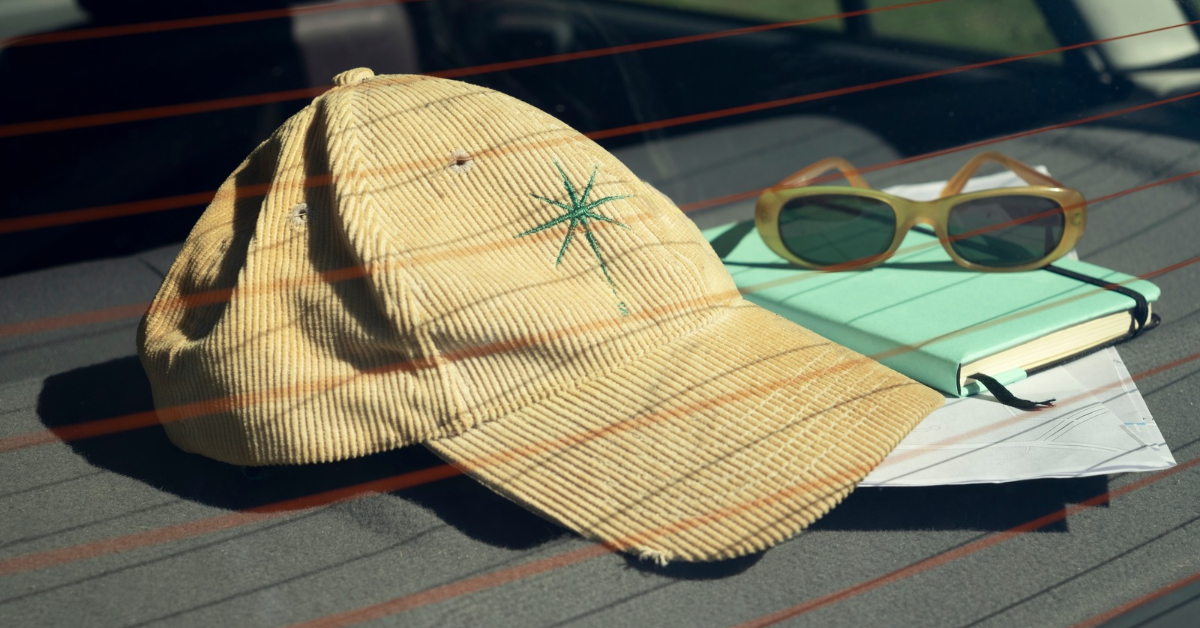
For outdoor events, prioritise items that address the conditions attendees face. Sunscreen, bucket hats, reusable drink bottles and handheld fans can offer practical value during hot weather.
Also, check the event location and forecast before finalising your selection. A coastal event may need different merchandise from an indoor networking function or an outdoor sporting event.
How to avoid it: Match your product selection to the season, venue and expected weather. Give attendees something that suits the environment rather than choosing merchandise based on appearance alone.
2. Choosing Products That Attendees Cannot Easily Use
An attractive promotional product does not guarantee attendee interest. Merchandise needs to suit the event, the audience and the activities on the schedule. Bulky items, fragile products and products with little relevance to the event can create inconvenience rather than value.
For example, attendees at a summer trade show may appreciate a lightweight tote bag, reusable bottle or portable phone accessory. A large gift box or heavy item may create an unnecessary burden for someone moving between exhibition stands.
How to avoid it: Ask three questions before selecting a product:
- Will attendees find it useful during or after the event?
- Can they carry it comfortably?
- Does it suit their interests and the event's purpose?
Choose items that offer practical value without creating extra hassle.
3. Overlooking Transport and Storage Requirements
Transport and storage can affect your event merchandise budget, delivery schedule and event setup. Large, heavy or fragile products may require additional cartons, storage space and careful handling. Teams that overlook these details can face unexpected freight costs or logistical problems on event day.
For multi-day events or activations across several locations, merchandise planning needs even more attention. Your team may need to transport stock between venues, store products overnight or coordinate deliveries with event organisers.
How to avoid it: Check product dimensions, carton quantities, storage requirements and delivery arrangements before placing an order. Ask your merchandise supplier about packaging options and freight estimates, particularly for large orders or multiple event locations.
4. Ordering the Wrong Quantity
Ordering too much merchandise ties up budget and can leave your team with excess stock after the event. Ordering too little can leave attendees without a giveaway, particularly during busy exhibition sessions or high-traffic activations.
Accurate quantity planning starts with a realistic attendance estimate. However, total event registration numbers should not automatically determine your order quantity. Not all registered guests will attend, and not all attendees will visit your booth.
How to avoid it: Base your order on expected attendance, booth traffic, giveaway rules and distribution plans. For example, a team that expects 1,000 event attendees but plans to distribute merchandise only to qualified leads may need a smaller quantity.
Agree on a distribution strategy before confirming the order. Your team can then allocate stock according to the campaign's purpose and budget.
5. Missing Artwork and Ordering Deadlines
Custom-branded merchandise requires time for artwork approval, product preparation, decoration and delivery. Late decisions can limit product options and leave little room for artwork changes or production delays.
Artwork also needs careful checking. Incorrect logo placement, outdated brand colours or low-resolution files can affect the final result. Rushing approval increases the risk of mistakes that your team may not have time to correct.
How to avoid it: Establish a clear event merchandise timeline and assign responsibility for each approval stage.
Your timeline should cover:
- Product selection and quotation.
- Artwork submission and approval.
- Production and quality checks.
- Freight and delivery.
- Final stock inspection before the event.
Start planning several weeks or months ahead, depending on product availability, customisation requirements and delivery locations. Always confirm the lead time with your supplier.
6. Neglecting Sustainability
Summer events can generate considerable packaging and promotional waste, particularly when organisers distribute large quantities of low-value giveaways. Choosing merchandise without checking its materials, packaging and sourcing can also conflict with your organisation's sustainability commitments.
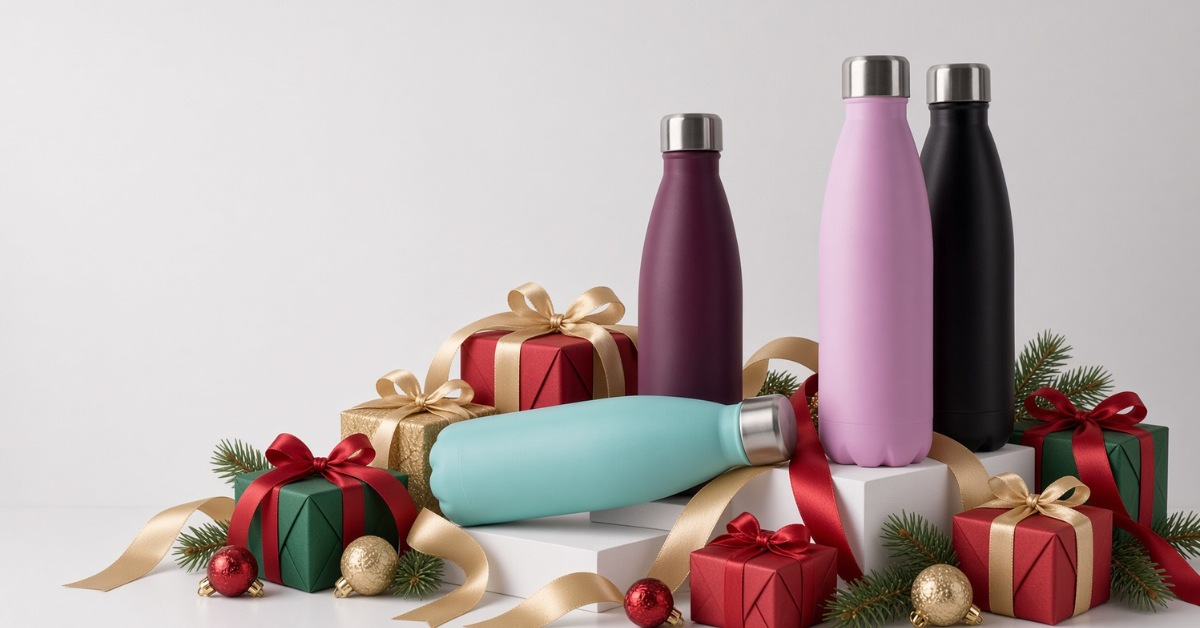
Sustainable summer event merchandise gives teams a way to reduce unnecessary waste while offering useful alternatives. Recycled materials, reusable drinkware, responsibly sourced textiles and products with reduced packaging can support a more thoughtful merchandise strategy.
How to avoid it: Look beyond a product's material label. Check its recycled content, packaging, sourcing information and expected lifespan. Ask suppliers about credible sustainability certifications and supporting evidence.
For more ideas, explore our eco-friendly promotional products for summer campaigns. A smaller selection of relevant, responsibly sourced products can make more sense than distributing large quantities of disposable giveaways.
7. Failing to Define Your Campaign Objectives
Without clear campaign objectives, merchandise selection becomes a guessing game. Your team may spend its budget on products that attract attention but do little to support the event's purpose.
Start by identifying what you want the merchandise to achieve. Your goal could involve generating leads, encouraging booth visits, thanking existing customers, supporting product launches or improving brand recognition.
Each objective calls for a different approach. A lead-generation activation may need a giveaway tied to a registration or demonstration, while a client appreciation event may call for a more personalised gift.
How to avoid it: Set measurable objectives before choosing products. Define your target audience, distribution method, budget and success measures. Track results through booth visits, lead registrations, product enquiries or post-event feedback.
What Does Good Summer Event Merchandise Planning Look Like?
Good summer event merchandise planning connects product selection, budget, logistics and campaign objectives before your team places an order. A simple planning checklist can help prevent costly oversights.
| Planning area |
What your team should check |
| Weather |
Does the product suit the event conditions? |
| Product choice |
Will attendees find it useful and easy to carry? |
| Logistics |
Can your team transport and store the stock? |
| Quantity |
Does the order match expected attendance and distribution plans? |
| Artwork |
Can the supplier meet your approval and production deadlines? |
| Sustainability |
Do the materials, packaging and sourcing meet your standards? |
| Campaign goals |
Does the merchandise support a measurable objective? |
For example, a technology company preparing for an outdoor summer conference could select reusable drink bottles, bucket hats and lightweight tote bags. The team could estimate booth traffic, order stock based on its giveaway strategy, approve artwork well ahead of production and arrange delivery directly to the venue.
A clear plan helps the team manage its budget, reduce waste and avoid unnecessary event-day stress.
Frequently Asked Questions
When should you order summer event merchandise?
Start planning several weeks or months before the event. Custom products, artwork approvals, production schedules and freight arrangements all require lead time. Confirm the supplier's estimated turnaround before setting your final order deadline.
What promotional products suit outdoor summer events?
Reusable drink bottles, bucket hats, sunscreen, sunglasses, lightweight tote bags and handheld fans can suit outdoor summer events. Match your selection to the venue, weather conditions and audience.
How do you estimate the right quantity of event merchandise?
Use expected attendance, booth traffic, distribution plans and campaign objectives to estimate your order quantity. Avoid using total registration numbers as your only guide.
How can businesses make summer event giveaways more sustainable?
Choose reusable products, recycled materials and responsible packaging. Check supplier sustainability claims and select items that offer lasting value rather than short-lived novelty.
Plan Your Summer Event Merchandise Before the Rush
Successful summer event merchandise planning starts well before event day. By checking the weather, choosing suitable products, managing quantities, setting clear deadlines and prioritising sustainability, your team can avoid common mistakes and make better use of its promotional budget.
Need help planning merchandise for an upcoming event? Over the Top Promotions can help you select suitable products, manage branded merchandise ordering and coordinate your event requirements. Get in touch with our team to start planning your next summer activation.



Comments