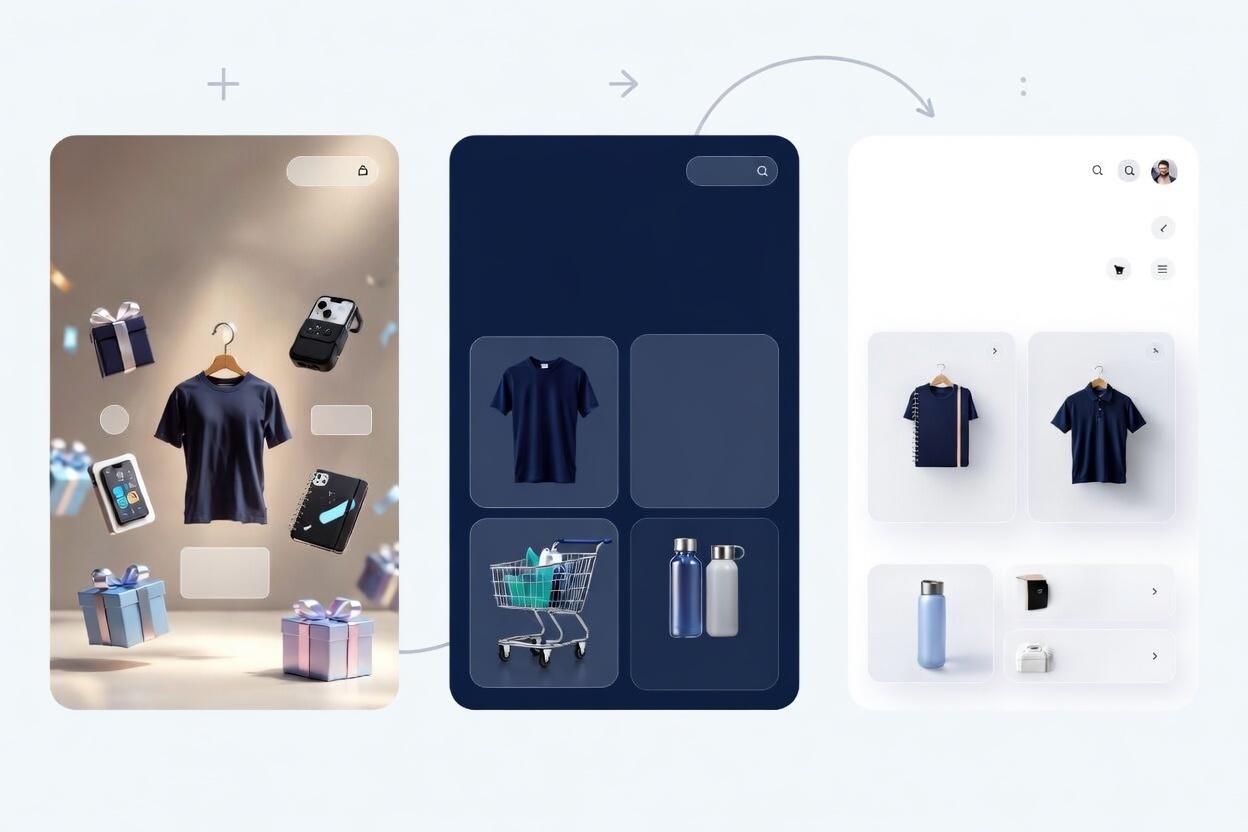
Corporate store solutions give Australian teams one place to manage branded merchandise, company merch ordering, inventory and fulfillment. The right solution can also support employee merchandise management, warehousing and kitting, and branded merchandise fulfillment as your program grows.
For marketing and event teams, the key question goes beyond whether a corporate store has an online ordering portal. You also need to assess how the solution handles stock, users, fulfillment, brand control and reporting.
If you are building a broader merchandise program, our guides on how to automate your branded merch program with a corporate store and the role of a corporate store in seamless kitting and fulfillment can help you understand where a store fits into your wider process.
1. What does a corporate store need to manage?
A corporate store should bring company merch ordering, product access and order management into one central system. Instead of handling requests through emails, spreadsheets and separate order forms, teams can give approved users a single place to access branded merchandise.
A strong corporate store solution can help manage:
- Employee merchandise management
- Branded merchandise ordering
- User access and ordering permissions
- Product ranges and brand guidelines
- Inventory visibility
- Order tracking
- Shipping and fulfillment
- Reporting and spending data
Centralising those tasks gives marketing teams a clearer view of what people order and how the merchandise program performs.
2. How does employee merchandise management work?
Employee merchandise management works more smoothly when employees can access the products that match their role, location or purpose. A corporate store can organise products and ordering permissions around different teams, regions or initiatives instead of giving everyone access to the same catalogue.
For example, an Australian business might create different ordering access for:
- HR teams managing onboarding packs
- Marketing teams ordering event merchandise
- Sales teams ordering client gifts
- Employees receiving branded apparel
- Regional teams managing local campaigns
A corporate store can also support different budgets, order limits and approval processes. Our guide to controlling who orders what with a corporate store covers how those controls can help protect budgets and brand standards.
3. Why does warehousing matter?
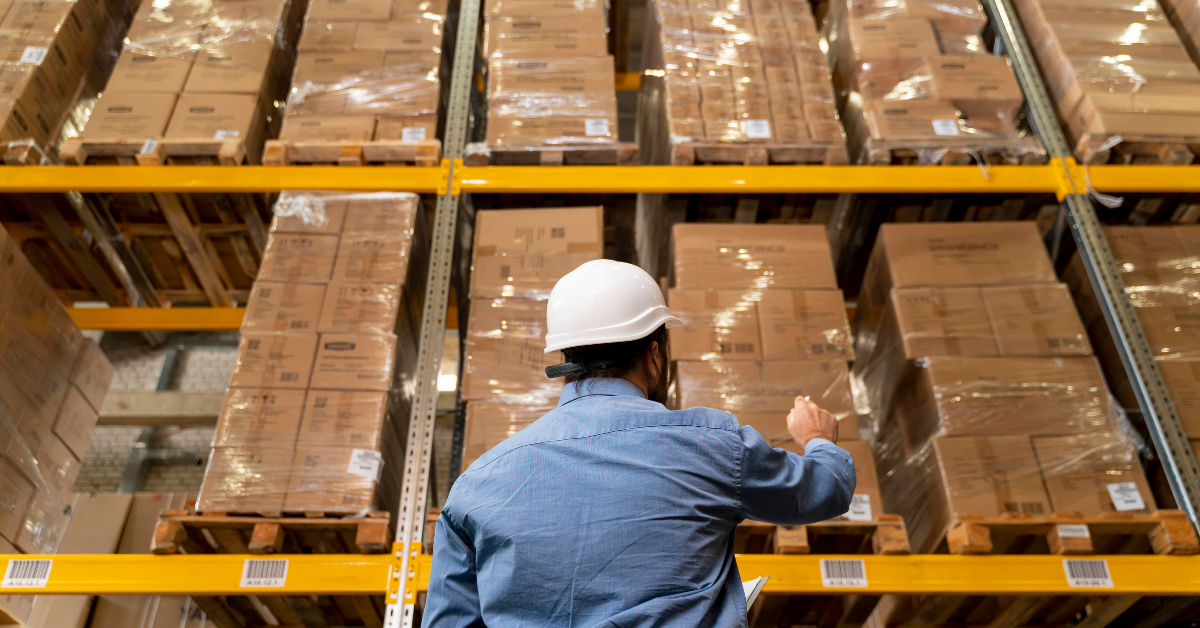
Warehousing matters because merchandise programs can become difficult to manage when stock sits across offices, storage rooms or multiple suppliers. A corporate store paired with professional warehousing gives teams a central location for inventory and a clearer process for getting products where they need to go.
Your corporate store solution should answer questions such as:
- Where does merchandise sit before someone orders it?
- Who tracks stock levels?
- How does the team know when stock needs replenishment?
- Can the provider pick and pack orders?
- Can the provider handle kitting?
- How does the team track outgoing shipments?
For businesses with regular onboarding, events or employee campaigns, warehousing and kitting can remove a significant amount of manual work.
4. What should you know about branded merchandise fulfillment?
Branded merchandise fulfillment covers what happens after someone places an order. A corporate store should connect ordering with picking, packing, shipping and order tracking so the marketing team does not need to manage each stage manually.
A complete fulfillment process can include:
- An employee or approved user places an order.
- The system records the order and checks available stock.
- The fulfillment team picks the required products.
- The team packs the order or assembles a kit.
- The provider ships the order to the required address.
- The recipient receives tracking information where available.
A connected process can make employee merchandise management easier, particularly when the business sends products to employees across different offices or locations.
5. How should a corporate store protect your brand?
A corporate store should make approved branding easier to follow. The platform can limit product choices, control access and guide users towards approved merchandise, artwork and configurations.
Brand control can cover:
- Approved products
- Logo applications
- Brand colors
- Apparel options
- Product quantities
- Campaign-specific merchandise
- Region-specific products
Brand controls matter when multiple teams order merchandise independently. A central store gives marketing teams greater control without requiring someone to review each order manually.
6. What should you look for in reporting and visibility?
Reporting gives marketing teams useful information about merchandise spend, product demand and ordering patterns. A corporate store should give authorised users access to relevant order and inventory information so teams can make informed decisions about future merchandise purchases.
Useful reporting can show:
| Area |
What to look for |
| Orders |
Who ordered, what they ordered and when |
| Inventory |
Current stock levels and product demand |
| Spending |
Spend by team, user, campaign or period |
| Products |
Popular and underused merchandise |
| Fulfillment |
Order status and delivery information |
| Locations |
Ordering activity across offices or regions |
Good reporting can also help teams identify products that receive little use and adjust future purchasing accordingly. Over time, that can support more efficient stock planning and reduce unnecessary inventory.
7. Can the corporate store scale with your business?
A corporate store should support your current merchandise needs while giving you room to add new users, products, campaigns and locations. A solution that works for a small team may create problems when order volumes increase, so scalability should form part of the initial assessment.
Ask potential providers:
- Can the store support multiple teams and locations?
- Can we add new products without rebuilding the store?
- Can the provider manage fulfillment as order volumes increase?
- Can the store support employee onboarding and campaign merchandise?
- Can we add warehousing and kitting as our needs change?
- Can the provider support Australian and international fulfillment if required?
A scalable solution can help marketing teams move away from one-off ordering and build a more organised merchandise program.
What should you compare when choosing corporate store solutions?
Corporate store solutions can vary significantly in the level of service they provide. A platform that only handles online ordering may leave your team managing inventory, packing and shipping separately.
| Feature |
Basic online store |
More complete corporate store solution |
| Online company merch ordering |
✓ |
✓ |
| Employee merchandise management |
Limited |
✓ |
| Inventory management |
Limited |
✓ |
| Warehousing |
Often separate |
Integrated option |
| Kitting |
Often separate |
Integrated option |
| Branded merchandise fulfillment |
Limited |
✓ |
| Order tracking |
✓ |
✓ |
| Brand controls |
Varies |
✓ |
| Reporting |
Basic |
More detailed |
| Multi-team access |
Varies |
✓ |
The right option depends on the complexity of your merchandise program. A simple store may suit a short campaign, while a larger business may need ordering, warehousing, kitting and fulfillment within one managed solution.
What does a corporate store look like in practice?
Imagine an Australian IT company that sends branded onboarding merchandise to new employees throughout the year.
Without a central system, HR might email marketing for products, marketing might check stock in a spreadsheet, and someone might pack the items in the office before arranging delivery.
A corporate store can connect those steps. HR can place an approved order, the fulfillment team can pick the required products, and the provider can assemble the onboarding kit and ship it to the new employee.
The same store can support event merchandise, employee rewards, client gifts and other branded products. OTT Promotions’ Corporate Store solution brings together online ordering, merchandise, warehousing, shipping and tracking, with options for different store formats and ordering needs.
FAQs About Corporate Stores in Australia
What is a corporate store?
A corporate store is an online platform that gives authorised users access to a company’s approved branded merchandise. The platform can connect ordering with inventory management, fulfillment and reporting.
What is employee merchandise management?
Employee merchandise management covers the process of organising, ordering, storing and distributing branded products for employees. A corporate store can centralise those activities and give employees controlled access to approved merchandise.
Can a corporate store handle warehousing and kitting?
Yes. Some corporate store solutions connect online ordering with warehousing, pick and pack services, kitting and shipping. Teams should check which services the provider manages directly before choosing a solution.
Can corporate stores support different teams?
Yes. Corporate stores can use user roles, product restrictions, budgets and approval rules to give different teams access to relevant products and ordering options.
How do I choose a corporate store solution in Australia?
Start by assessing your ordering process, product range, inventory needs, fulfillment requirements, user groups and reporting needs. Then compare providers based on their ability to manage the full merchandise process, not just the online store.
Build a More Manageable Merchandise Program
A corporate store can give Australian marketing and event teams a central system for company merch ordering, employee merchandise management, inventory and branded merchandise fulfillment. The strongest solutions connect the online store with warehousing and kitting, fulfillment, reporting and brand controls.
If your current merchandise process involves spreadsheets, email requests, office storage or manual packing, a corporate store may provide a more scalable approach.
Explore the Corporate Store solution from Over the Top Promotions to see how a managed store can support your branded merchandise program.


.png)


Comments