Choosing sustainable branded promotional products is no longer just a branding decision. For many marketing, procurement, and events teams, it now shapes sourcing, reporting, and brand governance too.
The challenge is that many suppliers label products as sustainable without giving buyers a practical way to compare options. A product can look strong in a catalogue and still create problems with quality, usefulness, shipping efficiency, or long-term brand fit.
A better approach evaluates every option against a clear framework. Teams that use practical criteria instead of trend-driven assumptions reduce waste, improve Brand Consistency, and choose merchandise that supports measurable results.
Here's a straightforward way to assess Sustainable Branded Promotional Products in 2026.
The 7-point evaluation checklist
|
Evaluation area
|
What to check
|
Why it matters
|
|
Usefulness
|
Practical relevance, repeat use, audience fit
|
Reduces waste and improves retention
|
|
Material quality
|
Recycled or renewable inputs, durability, design quality
|
Prevents weak sustainability claims
|
|
Supplier transparency
|
Sourcing detail, packaging, ethical business practices
|
Supports reporting and confident decisions
|
|
Durability
|
Lifespan, decoration quality, repeat use
|
Improves long-term brand value
|
|
Fulfillment Services fit
|
Storage, kitting, APJC delivery, on-demand fulfillment
|
Prevents operational friction
|
|
Brand Consistency
|
Brand fit, decoration suitability, cross-team use
|
Protects quality and visual standards
|
|
Measurable results
|
Campaign outcome, usage, efficiency, waste reduction
|
Connects product choice to business impact
|
1. Start with product usefulness
The first question is simple: will people keep and use it?
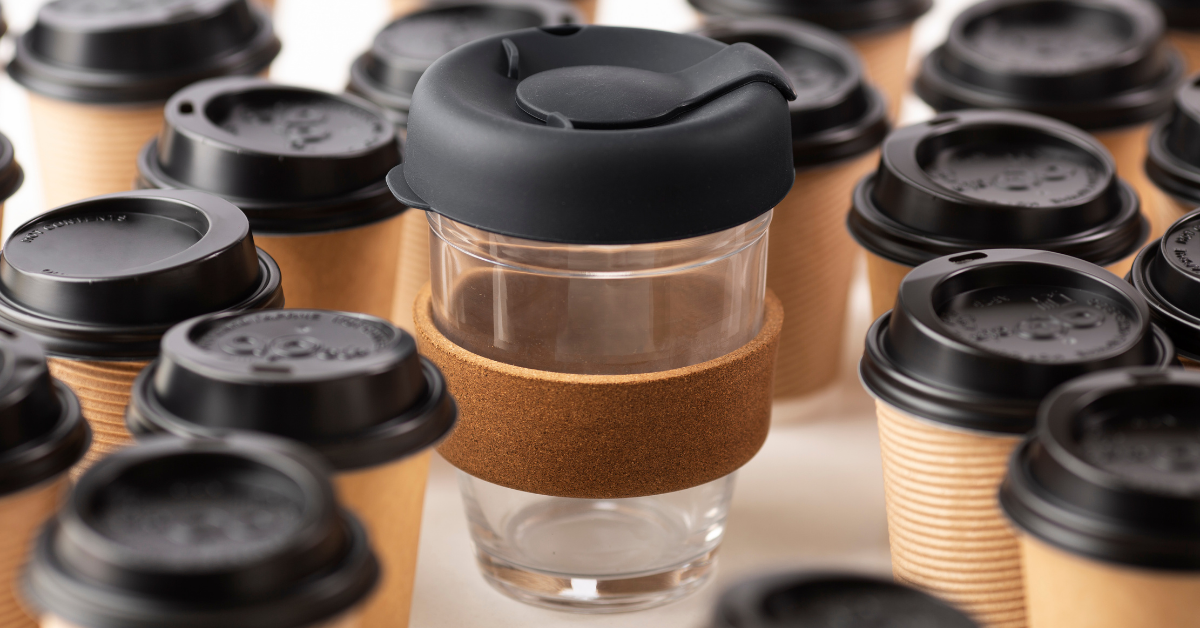
Useful items create lasting brand recall and produce less waste. That holds true for conferences, onboarding, customer gifting like quality drinkware, and internal brand campaigns alike.
When you review options, ask:
- Does this item solve a real practical need?
- Is it appropriate for the audience's role and environment?
- Would someone still use it after the campaign ends?
- Does it reflect the quality your brand wants to signal?
A sustainable product nobody uses delivers no real impact.
2. Plan for Fulfillment Services early
The right product can still underperform if the 3PL warehousing model behind it doesn't suit the campaign.
That matters especially for regional programs, event campaigns, onboarding kits, and multi-location distribution. A product that's hard to store, ship, or replenish can create manual work and add cost.
Ask practical questions such as:
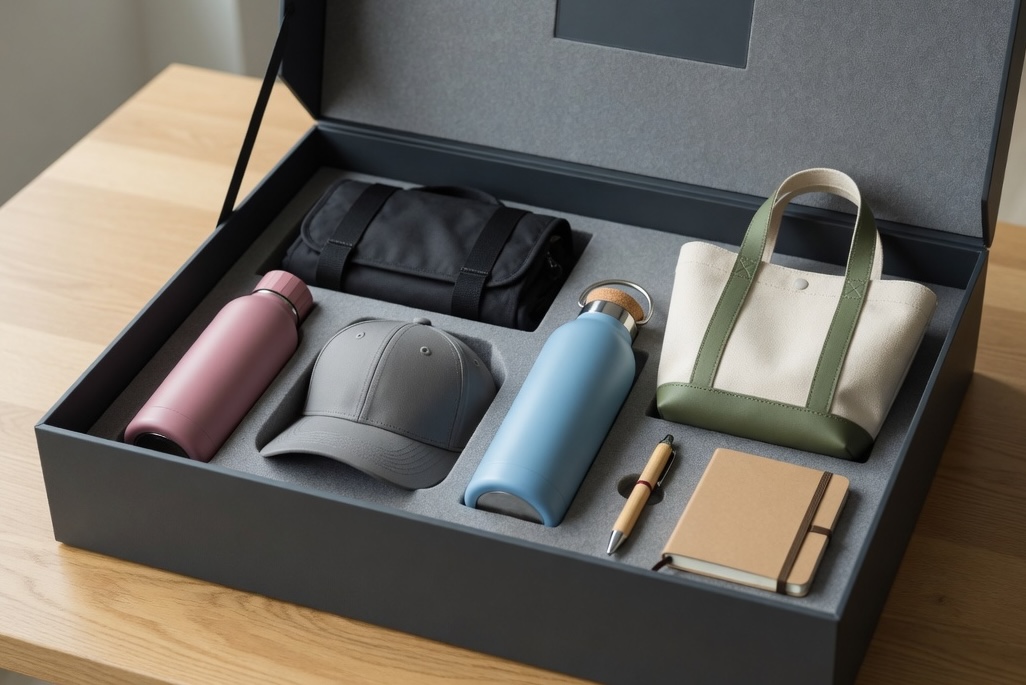
- Is the item easy to kit, store, and distribute?
- Does it support End-To-End Fulfillment Services?
- Does it suit APJC delivery needs?
- Can it work within an On-Demand Fulfillment model?
- Will it create avoidable freight or inventory pressure?
3. Review material quality, not just the claim
Sustainable claims need specific material information behind them.
Instead of relying on broad product labels, check what the item is made of. Look for clear detail on recycled inputs, renewable materials, durability, and end-of-life handling.
Questions to ask include:
- What materials does the product use?
- Are those materials durable enough for repeated use?
- Is the sustainability claim specific and credible?
- Does the product design support long-term retention?
That's also where Local Sourcing can become relevant, especially when delivery speed, freight efficiency, and supply transparency matter.
4. Check sourcing standards and supplier transparency
A strong product is only one part of the decision. Buyers also need confidence in the supplier behind it.
Transparency matters because it helps teams understand where products originate, how suppliers make them, and if supplier standards align with internal sustainability goals.
A practical review should cover:
- manufacturing location
- sourcing transparency
- labour and supplier standards
- packaging approach
- evidence of ethical business practices
If your team reports on sustainability performance, supplier clarity becomes even more important.
5. Measure durability and brand longevity
Durability is one of the most overlooked buying criteria.
A low-cost item may look efficient at the ordering stage, but if it breaks quickly or feels disposable, it weakens brand perception and adds to waste. Products that last longer create better recall and better long-term campaign value.
Check:
- expected lifespan
- build quality
- decoration quality
- how well the item performs through regular use
- if the product still feels aligned with the brand after repeated handling
When buyers focus on longevity, they move closer to a true sustainable decision.
6. Assess brand fit and Brand Consistency
Not every sustainable product suits every brand.
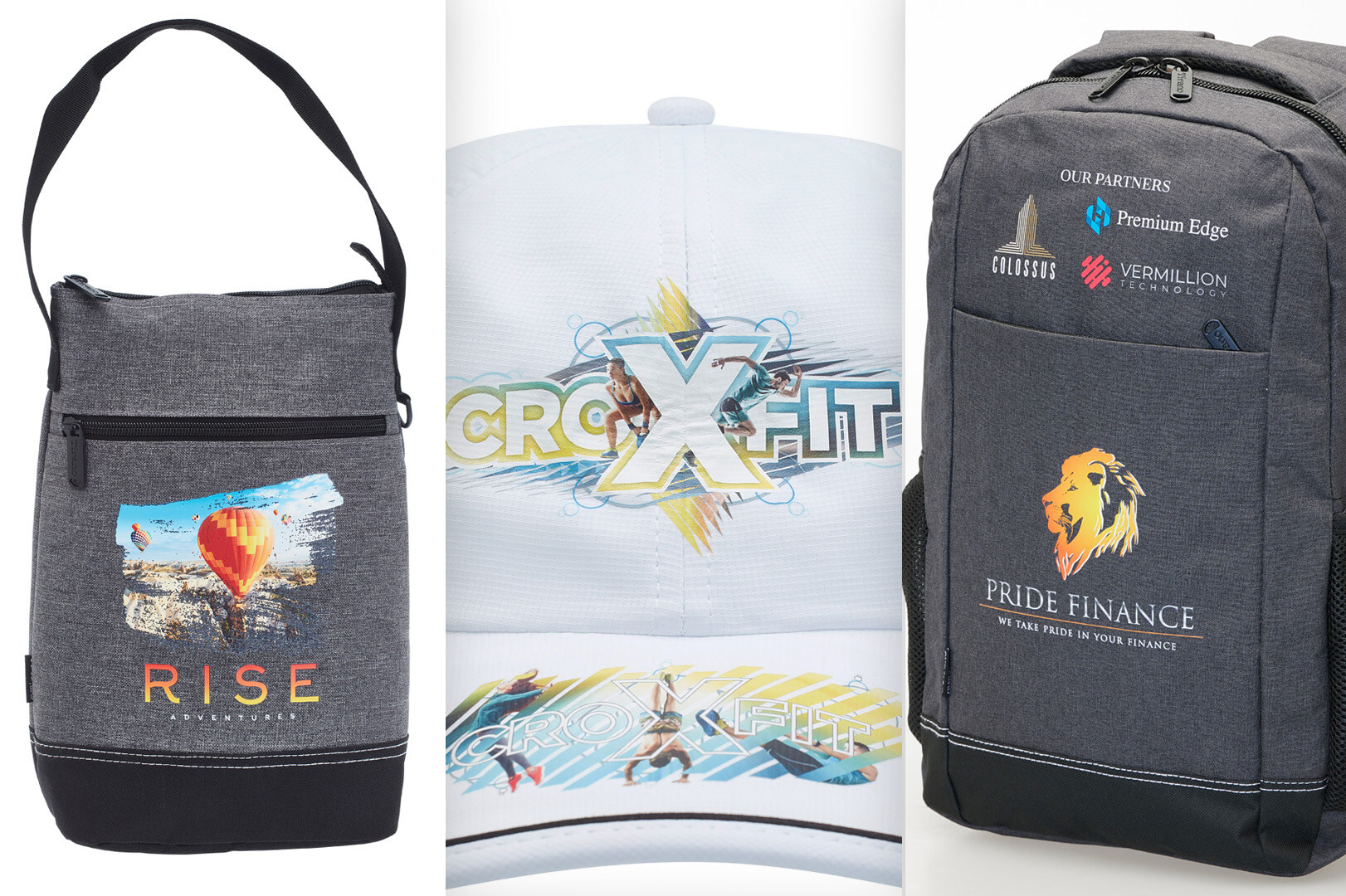
The best merchandise supports your visual identity, campaign goal, and audience expectations. It should feel intentional, not generic. That matters most for businesses managing multi-team ordering, events, gifting programs, or custom company tore solutions.
Check:
- if the item suits your audience and use case
- if branding methods preserve product quality
- if the item supports a premium, practical, or campaign-specific brand position
- if the product works consistently across programs and teams
7. Link product selection to measurable results
The strongest merchandise programs don't rely on appearance alone. Teams evaluate them against outcomes.
That may include response rates, usage, campaign engagement, program efficiency, or operational simplicity. Merchandise becomes more valuable when the selection process connects to measurable results instead of isolated product decisions.
Useful prompts include:
- What campaign outcome should this item support?
- How will you review success after distribution?
- Does the item support a broader gifting, event, or awareness strategy?
- Will this product help reduce waste or unnecessary stock?
In 2026, evaluating sustainable branded promotional products takes more than checking if an item looks current or environmentally aware. Buyers need a framework that weighs usefulness, materials, sourcing, durability, Fulfillment Services, and brand fit together.
When teams evaluate merchandise through that lens, they reduce waste, improve consistency, and choose products that support long-term value.
If you want support comparing sustainable branded promotional products for your next campaign, Over the Top Promotions can help you assess product fit, sourcing considerations, and fulfillment services requirements before you commit.
Frequently Asked Questions
What makes a branded promotional product truly sustainable?
A product becomes a more credible sustainable choice when it combines useful design, durable materials, clear sourcing information, and an operational model that helps reduce waste.
Why should fulfillment services be part of the evaluation?
Because even a strong product can add cost and complexity if it's hard to store, distribute, replenish, or scale across teams and regions.
How do I compare two similar Sustainable products?
Compare them using the same checklist: usefulness, material quality, transparency, durability, fulfillment Services fit, brand consistency, and measurable results.



.png)
Comments