


A new client welcome kit can spark confidence before the first project even begins.
In 2026, clients seek clarity, purpose, and assurance that they’ve chosen a partner who is organised and invested in their success. They want tools that help them move quickly, touchpoints that feel human, and a brand experience that feels personal.
Below is a checklist of the key elements that create a practical and memorable 2026 new client welcome kit.
Start With the Essentials
A strong welcome pack starts with the essentials. The essentials are the foundation of your new client welcome kit, helping your client understand how to work with you from day one.
Key essentials to include:
- A personalised welcome letter: Keep it short, warm, and human. Outline what the client can expect over the next few weeks, and include direct contact details, so they never feel lost.
- A clear onboarding guide: Clients value straightforward instructions. Create a simple roadmap that explains project steps, timelines, and who is responsible for what.
- Key contacts card: Instead of burying names in a PDF, print a branded, easy-to-reference card listing your account team and their roles.
- Important policies or FAQs: Include only what clients genuinely need in their first 30 days, such as communication expectations or approval workflows.
These elements remove ambiguity, reduce onboarding friction, and help clients feel supported from the start.
Make Your Brand Tangible
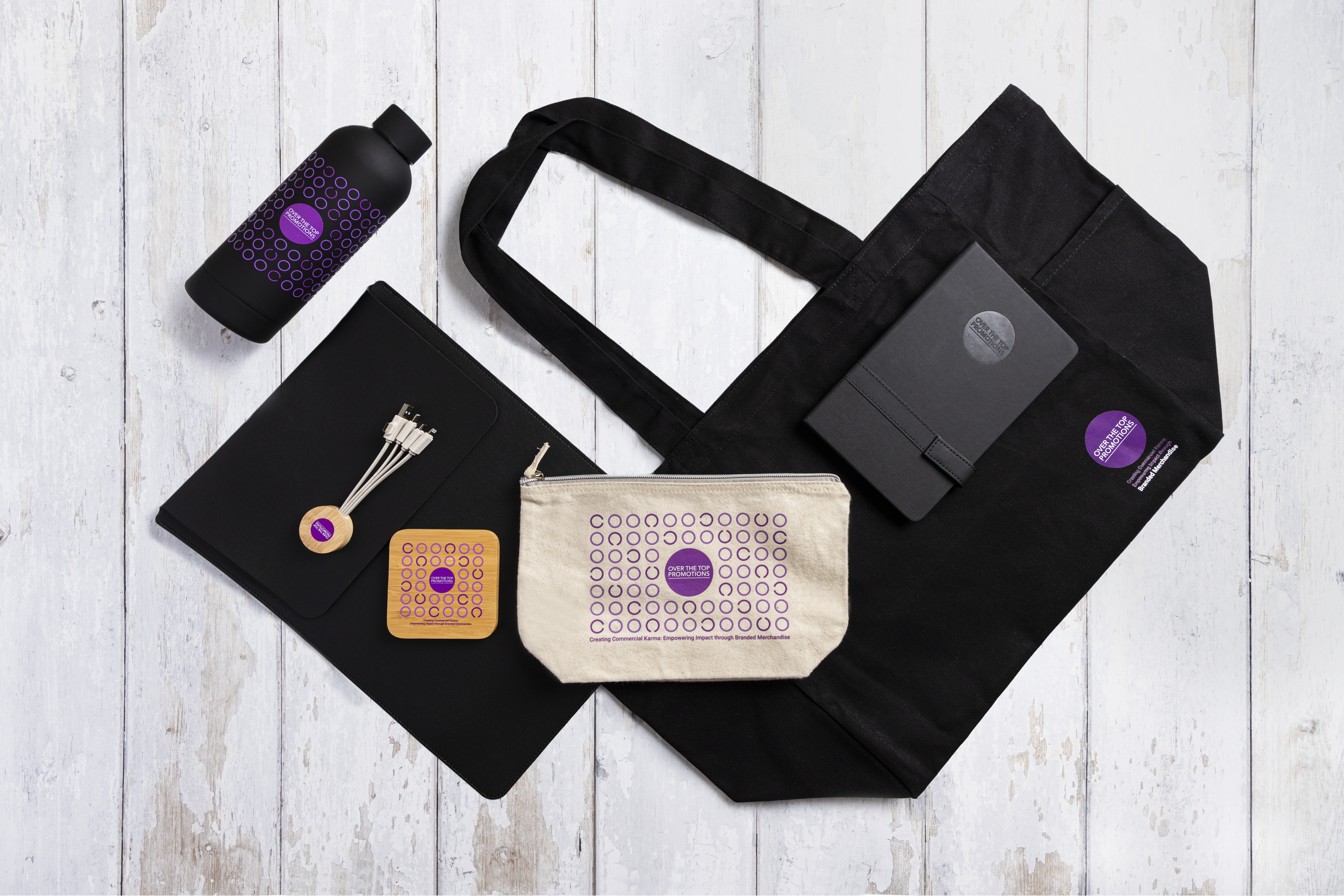
Branded merchandise still plays a core role in a modern welcome kit, but clients are more selective than ever. In 2026, promotional items must be useful, high-quality, and aligned with sustainable values.
When choosing items, focus on utility, longevity, and brand alignment, because the right merch reinforces trust.
High-impact merch ideas:
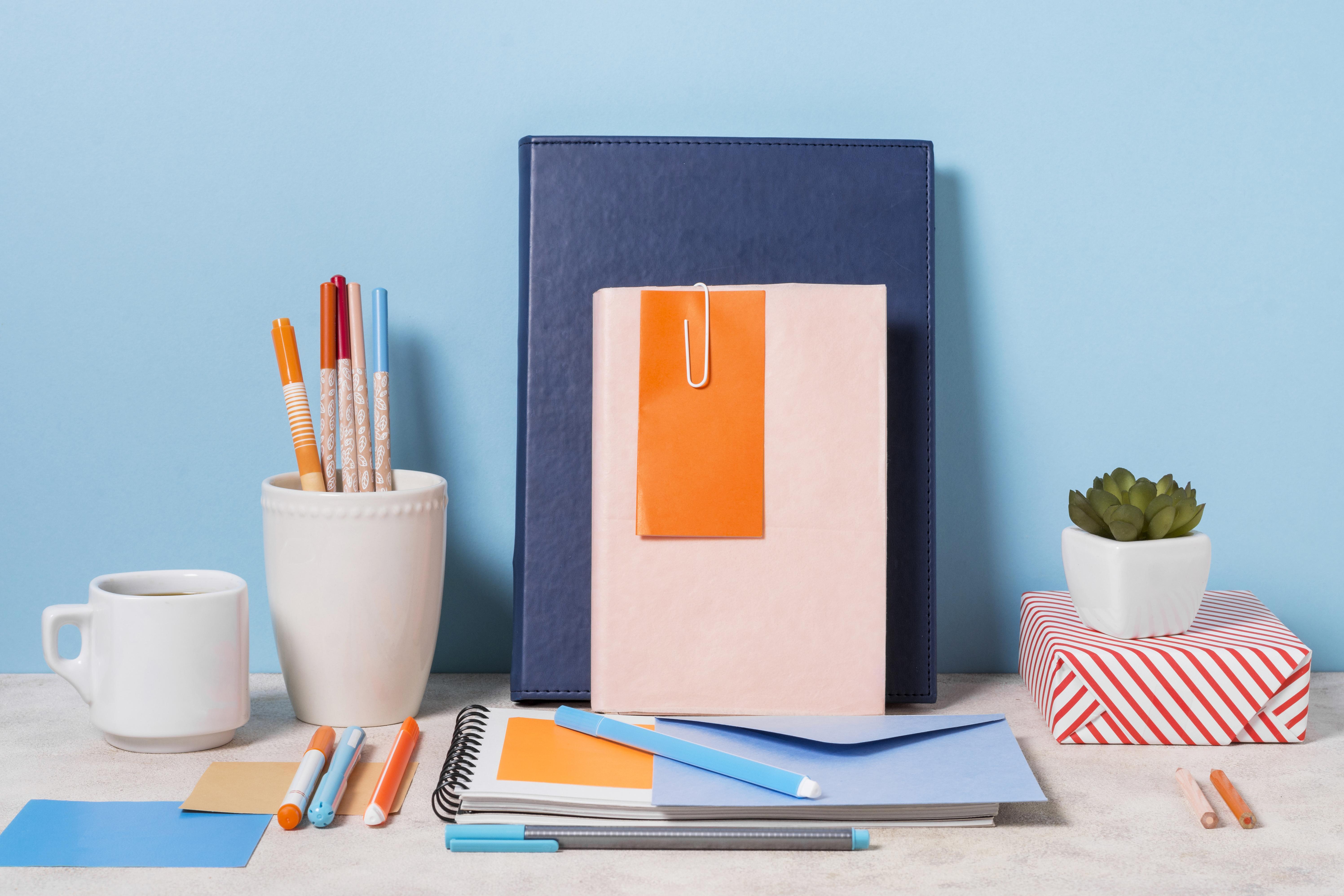
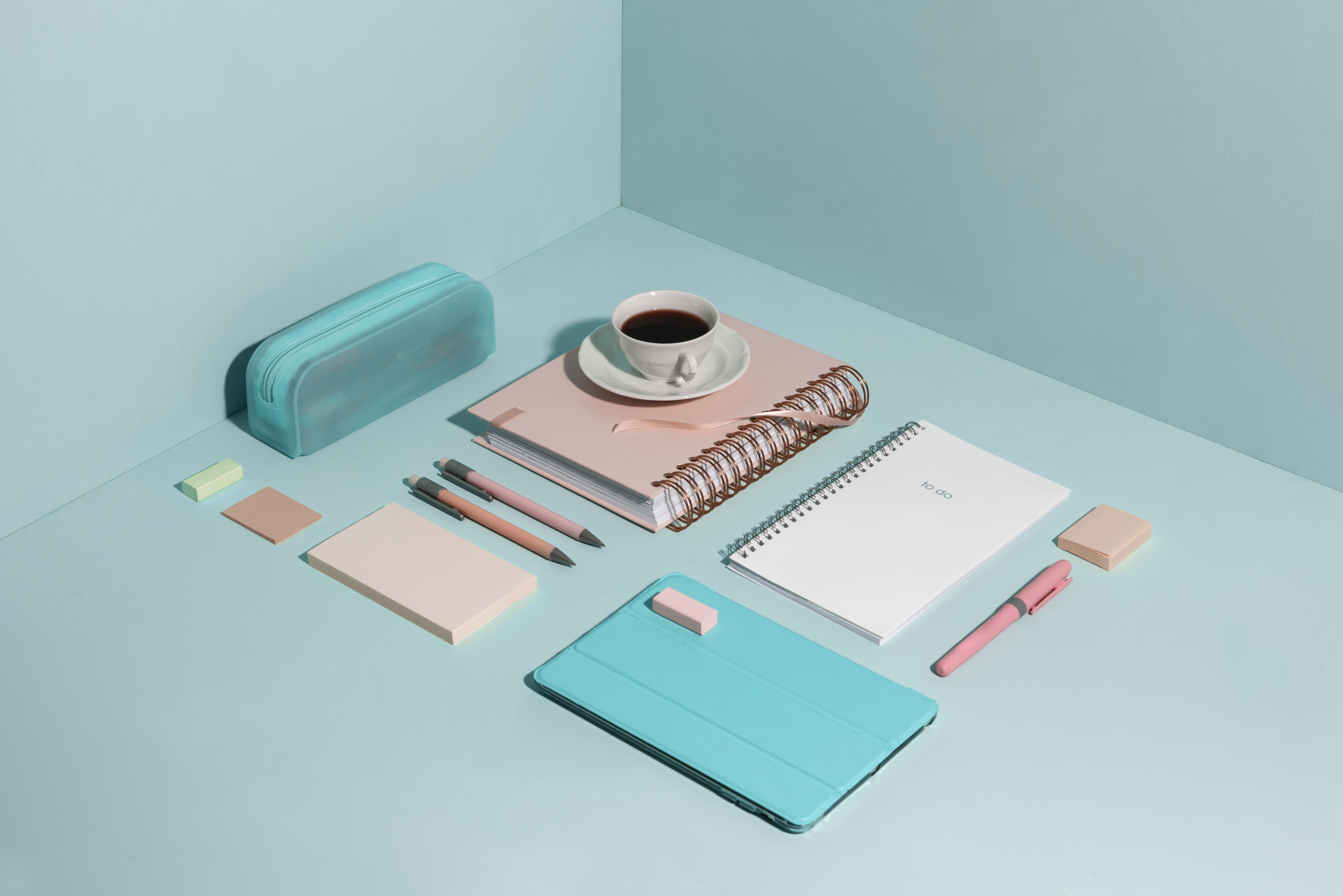
- Premium notebooks and pens: Reliable, high-quality tools made with recycled or FSC-certified materials that clients will use every day.
- Reusable drinkware: Stainless steel bottles or insulated coffee cups that keep your brand in sight during real, daily routines.
- Desk organisers or tech accessories: Wireless chargers, cable kits, or webcam covers that solve simple problems and stay on the desk.
- Eco apparel: Soft tees, caps, or totes made from organic cotton or recycled fibers make a subtle but strong sustainability statement.
Add Digital Touchpoints
Not every part of a welcome kit needs to be physical. A smart digital layer can streamline onboarding, reduce printing costs, and create a more interactive client experience.
Consider including:
- A QR onboarding hub: Link clients to everything they need, such as tutorials, timelines, team bios, FAQs, and upcoming milestones.
- Video introductions: A short team video adds warmth and clarity. Clients feel like they know you before the first meeting.
- Digital project checklist: This helps clients track deliverables and understand when their input is required.
- Calendar integrations: Include direct links to book meetings, join onboarding sessions, or access shared workspaces.
Digital elements help your welcome kit feel modern and reduce back-and-forth communication, especially for remote teams across APJC time zones.
Use Resources to Support Success
Your new client welcome kit should make clients feel more confident that their success is your priority. Curate a set of resources that help them use your product or service effectively from day one.
Examples of high-value resources:
- “Getting Started” mini-guide: Summarise only the most important steps. Keep the tone practical and avoid jargon.
- Case studies or success snapshots: These spark ideas and show clients what is possible.
- Templates or worksheets: Provide assets that help clients organise information or prepare their first tasks.
- Service overview one-pager: Clear, simple, and visual. This helps internal client stakeholders understand your offering without sitting through a presentation.
- A troubleshooting quick guide: Clients appreciate having a backup plan when something goes sideways.
Humanise the Partnership
Successful onboarding is not just about transferring information; it is about building trust. Your welcome kit is a powerful chance to strengthen the relationship early.
Here are intentional add-ons that make clients feel valued:
- A short story about your company values: Share something real and grounded in your culture. Keep it human and specific, not corporate.
- A team spotlight card: Show faces, roles, and one fun fact each. Human details help clients feel more comfortable reaching out.
- A small “surprise-and-delight” item: Choose something simple and thoughtful, like a locally made snack or a miniature desk plant. These small gestures create an emotional connection without feeling extravagant.
- A hand-signed welcome message: A handwritten note feels sincere and personal, especially in a digital-first world.
Package It with Intention
A strong welcome kit delivers its message through both its contents and its presentation. How you package the experience shows clients the level of care they can expect moving forward.
Best practices for 2026 packaging:
- Choose eco-conscious materials: Recycled card, soy-based inks, and compostable fillers show clients you take sustainability seriously.
- Keep the design clean and uncluttered: A simple aesthetic feels more premium and makes the experience more enjoyable.
- Organise items logically: Use compartments, sleeves, or clear labels to avoid a scattered or random feel.
- Include a clear start-here moment: Guide clients to the first thing they should read or do. This keeps the onboarding process smooth.
Review, Refresh, and Reuse
A client welcome kit is not a one-and-done project. To stay relevant, you should review it every quarter or when major brand changes occur. Look for opportunities to update merch, refresh digital resources, or introduce new sustainability initiatives. Treat your kit as a living asset that evolves with your business and the needs of modern clients.
A welcome kit does more than open a project. It shows clients you’re organised, prepared, and committed to giving them a smooth start. A well-built kit reduces early friction, supports clearer communication, and helps both sides step into the partnership with confidence. It also gives your brand a chance to demonstrate care in a way that feels practical, not performative.
If you are planning to create a new client welcome kit, our team is ready to help bring it to life with strategy, design, and production support.
.jpg?width=3034&height=382&name=2025%20summer%20catalogue%20copy%20(1).jpg)
Recent Posts
.png)

Comments